
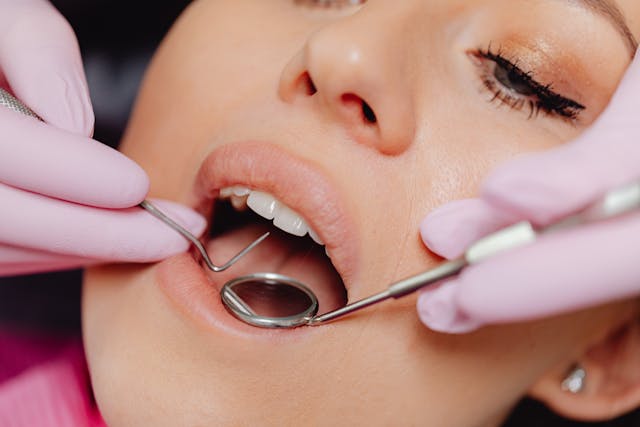
Abrasion refers to the progressive loss of tooth structure caused by mechanical actions, often due to external factors. This type of tooth wear is typically observed in individuals who use excessive force while brushing, use hard-bristled toothbrushes, or have habits like biting on hard objects. Unlike other forms of tooth wear, such as erosion (caused by acid) or attrition (caused by tooth-to-tooth contact), abrasion is characterized by the direct impact of mechanical forces on the teeth.
The symptoms of abrasion include notches or grooves at the gum line, increased tooth sensitivity, and aesthetic concerns due to the visible wear. Managing abrasion is crucial for maintaining oral health, as severe cases can lead to further complications, such as increased susceptibility to cavities and dental infections. Homeopathic treatments for tooth abrasion and effective preventive measures.
Homeopathy Medicines for Abrasion: Symptoms and Uses
- Calcarea Fluorica
- Symptoms: This remedy is indicated for teeth that are sensitive to cold and air, with a tendency to develop grooves near the gum line.
- Uses: Calcarea Fluorica helps strengthen the enamel and dentin, preventing further wear and promoting remineralization of the affected areas.
- Silicea
- Symptoms: Indicated for individuals with weak and brittle teeth, prone to mechanical wear and damage.
- Uses: Silicea aids in the restoration of damaged tooth structure and enhances overall dental health by promoting the formation of strong, resilient enamel.
- Mercurius Solubilis
- Symptoms: Suitable for cases where abrasion is accompanied by inflamed, bleeding gums and bad breath.
- Uses: This remedy addresses both the mechanical wear of teeth and associated gum issues, helping to reduce sensitivity and inflammation.
- Arnica Montana
- Symptoms: Useful for teeth that have been damaged due to trauma or excessive force, leading to sensitivity and pain.
- Uses: Arnica Montana helps in healing and repairing damaged tissues, reducing pain and promoting faster recovery from mechanical wear.
- Staphysagria
- Symptoms: Indicated for individuals with a tendency to clench or grind their teeth, leading to significant mechanical wear.
- Uses: Staphysagria helps to reduce the urge to clench or grind teeth and promotes the healing of worn tooth surfaces.
- Ruta Graveolens
- Symptoms: Suitable for cases where teeth feel sore and tender due to continuous mechanical pressure.
- Uses: Ruta Graveolens aids in reducing soreness and tenderness, helping to alleviate discomfort caused by tooth abrasion.
- Calcarea Carbonica
- Symptoms: Indicated for individuals with weak and soft teeth that are easily worn down by mechanical actions.
- Uses: This remedy strengthens the tooth structure and enhances resistance to mechanical wear, promoting overall dental health.
- Kreosotum
- Symptoms: Suitable for cases where there is extensive wear and decay, with darkened, crumbling teeth.
- Uses: Kreosotum helps to slow down the wear process and supports the healing of damaged teeth, preventing further deterioration.
- Magnesia Carbonica
- Symptoms: Indicated for teeth that are highly sensitive to touch and pressure, with visible grooves and notches.
- Uses: Magnesia Carbonica reduces sensitivity and promotes the healing of worn tooth surfaces, helping to restore dental integrity.
- Natrum Muriaticum
- Symptoms: Suitable for individuals with excessive dryness in the mouth, leading to increased mechanical wear.
- Uses: This remedy helps to alleviate dryness and restore moisture balance, reducing the risk of further mechanical damage to the teeth.
Steps to Prevention
- Use Proper Brushing Techniques
- Gentle Brushing: Use a soft-bristled toothbrush and gentle, circular brushing motions to avoid applying excessive force on the teeth.
- Correct Angle: Hold the toothbrush at a 45-degree angle to the gums to clean effectively without causing abrasion.
- Choose the Right Toothpaste
- Non-Abrasive Toothpaste: Select toothpaste that is non-abrasive and designed for sensitive teeth to minimize wear during brushing.
- Avoid Aggressive Brushing
- Time and Frequency: Brush twice a day for two minutes each time. Avoid brushing immediately after consuming acidic foods or drinks to prevent enamel erosion.
- Use Mouth Guards
- Protective Gear: Wear a mouth guard if you have a habit of clenching or grinding your teeth, especially at night, to protect against mechanical wear.
- Regular Dental Check-Ups
- Routine Visits: Schedule regular dental check-ups to monitor tooth wear and receive professional advice on preventing and managing abrasion.
- Address Underlying Habits
- Behavioral Changes: Identify and address habits that contribute to mechanical wear, such as nail-biting, chewing on hard objects, or using teeth as tools.
- Hydrate Well
- Saliva Production: Stay well-hydrated to maintain adequate saliva production, which helps protect teeth from mechanical and chemical wear.
- Use Appropriate Dental Tools
- Soft-Bristled Brushes: Always use a soft-bristled toothbrush and consider electric toothbrushes with pressure sensors to prevent excessive force.
- Dietary Considerations
- Avoid Hard Foods: Reduce the consumption of hard and crunchy foods that can contribute to mechanical wear.
- Balanced Diet: Ensure a balanced diet rich in minerals like calcium and phosphorus to support dental health.
- Educate and Inform
- Awareness: Educate yourself and others about the importance of proper oral hygiene techniques and the risks associated with improper brushing habits.
